
If you have been reading travel articles lately, you have likely come across the term “shoulder season.” But what exactly is it, and why is it so popular among travelers?
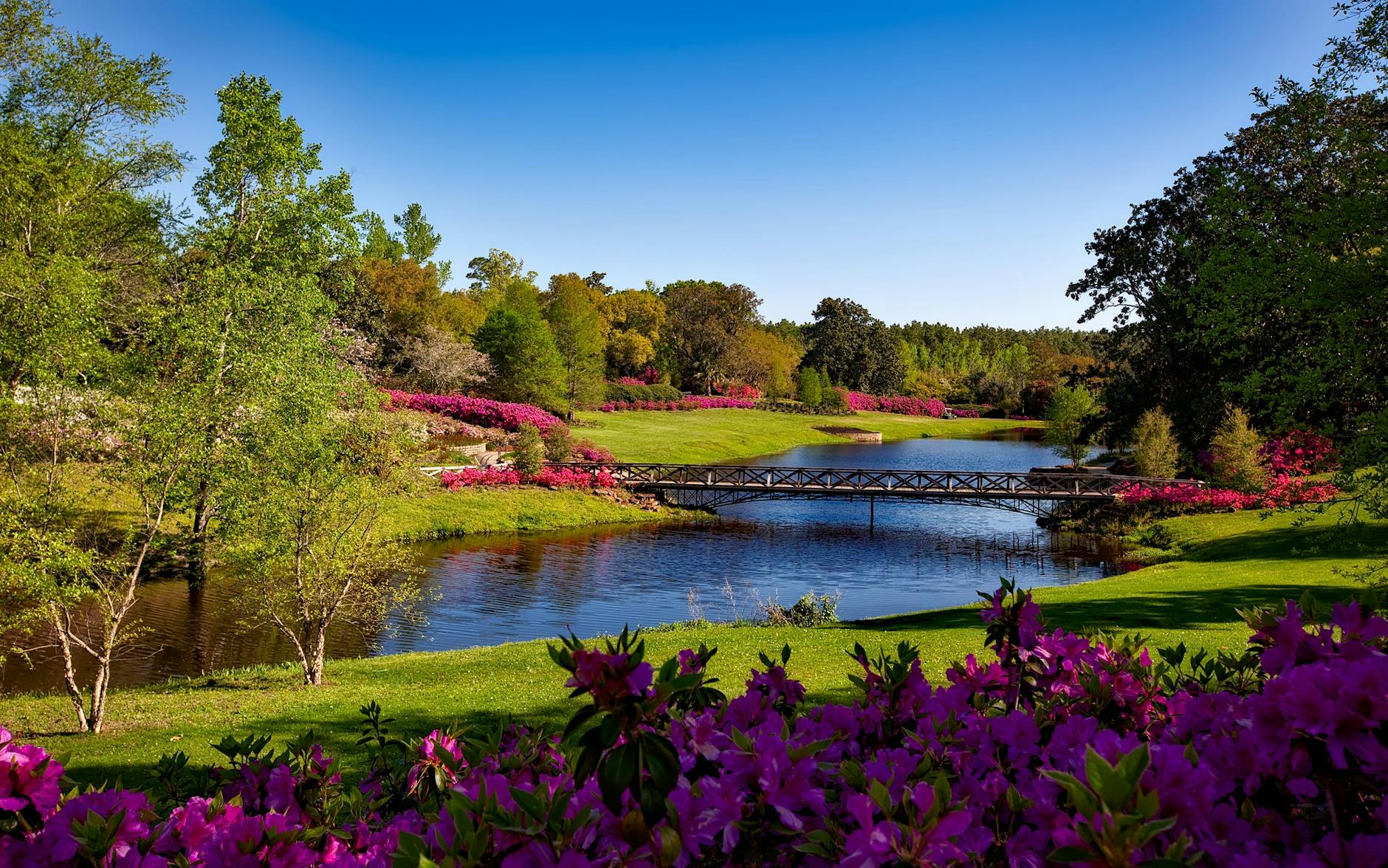
The “peak” travel season typically occurs during the summer when schools are out. Shoulder season refers to the three months immediately preceding summer (March, April, and May) and the three months following it (September, October, and November). While the winter months see a small spike around the holidays, they are generally considered “off-peak.”
There are several reasons why many travelers, myself included, prefer the shoulder season:
– Fewer Crowds: Since school is in session, most destinations are significantly less crowded.
– Lower Costs: Reduced demand often leads to lower prices for flights and accommodations.
– Greater Availability: With fewer people traveling, you have more options and flexibility when booking activities and lodging.
– Easier Scheduling: It is often easier to secure time off work when you aren’t competing with colleagues for the same summer dates.
– Sustainability: Spreading tourism throughout the year helps local economies maintain a steady income year-round.
– Better Weather: You can often avoid the extreme summer heat, making outdoor activities and sightseeing much more comfortable.
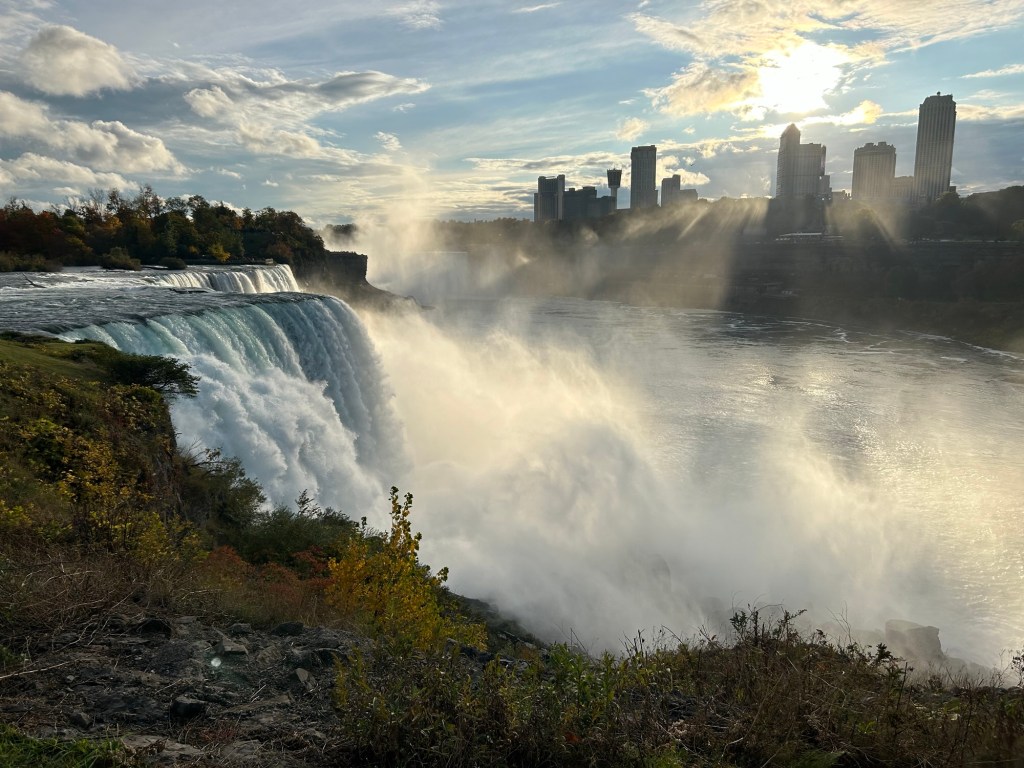
Of course, there are a few downsides to consider. Some attractions have limited hours or seasonal closures outside of the summer months, and certain regions may face weather challenges like hurricane or rainy seasons. Additionally, traveling during this time can be difficult if you have school-aged children.
Ultimately, choosing when to travel depends on your specific needs. However, if you have the flexibility, traveling during the shoulder season can be a great way to save money and enhance your overall experience.
 Set Coordinates Travel