What is FIT Travel? Benefits of Independent Trips

FIT trips are growing in popularity in the travel world. What is it? Why should travelers consider a FIT trip? And is it right for you?

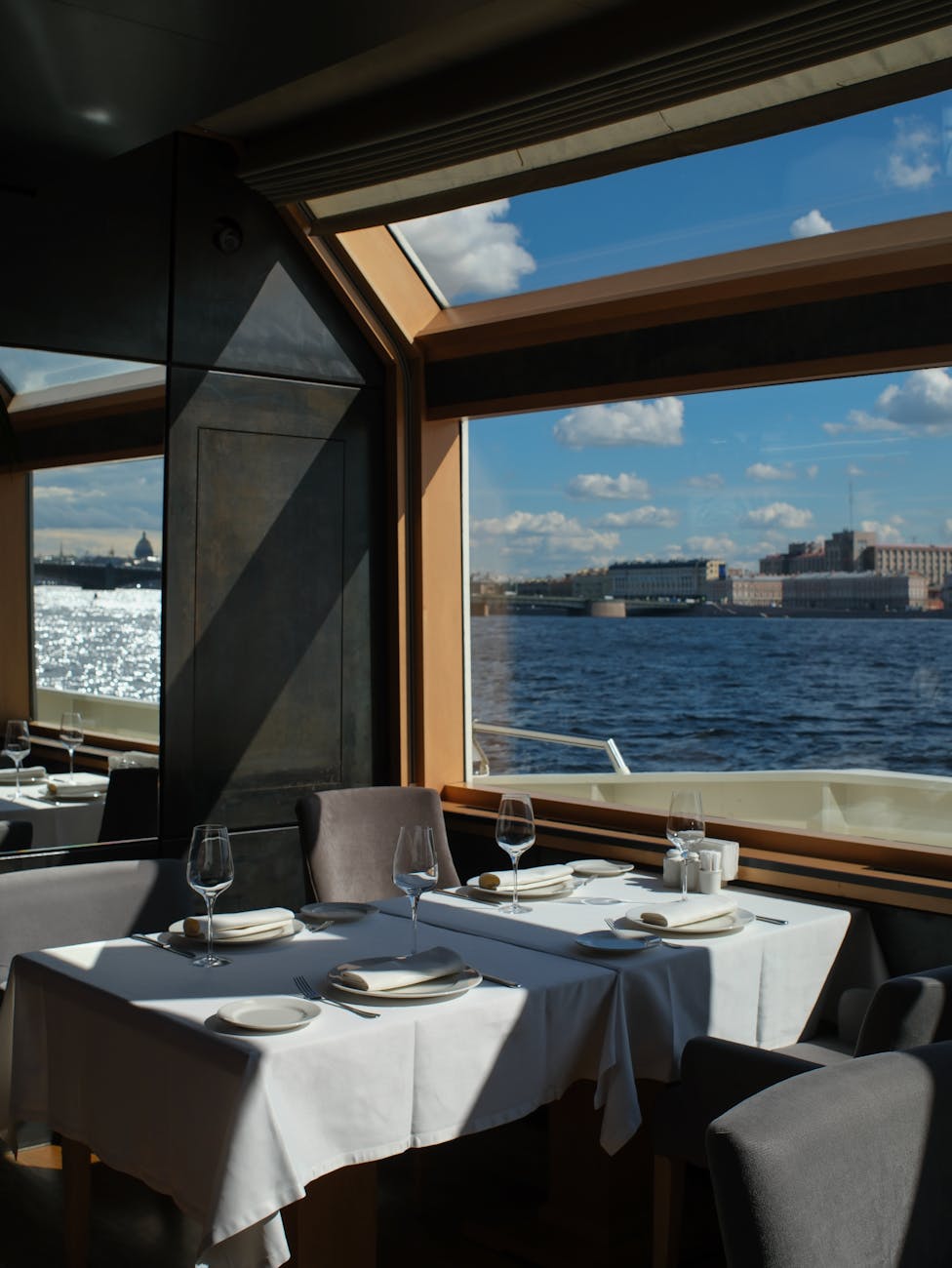
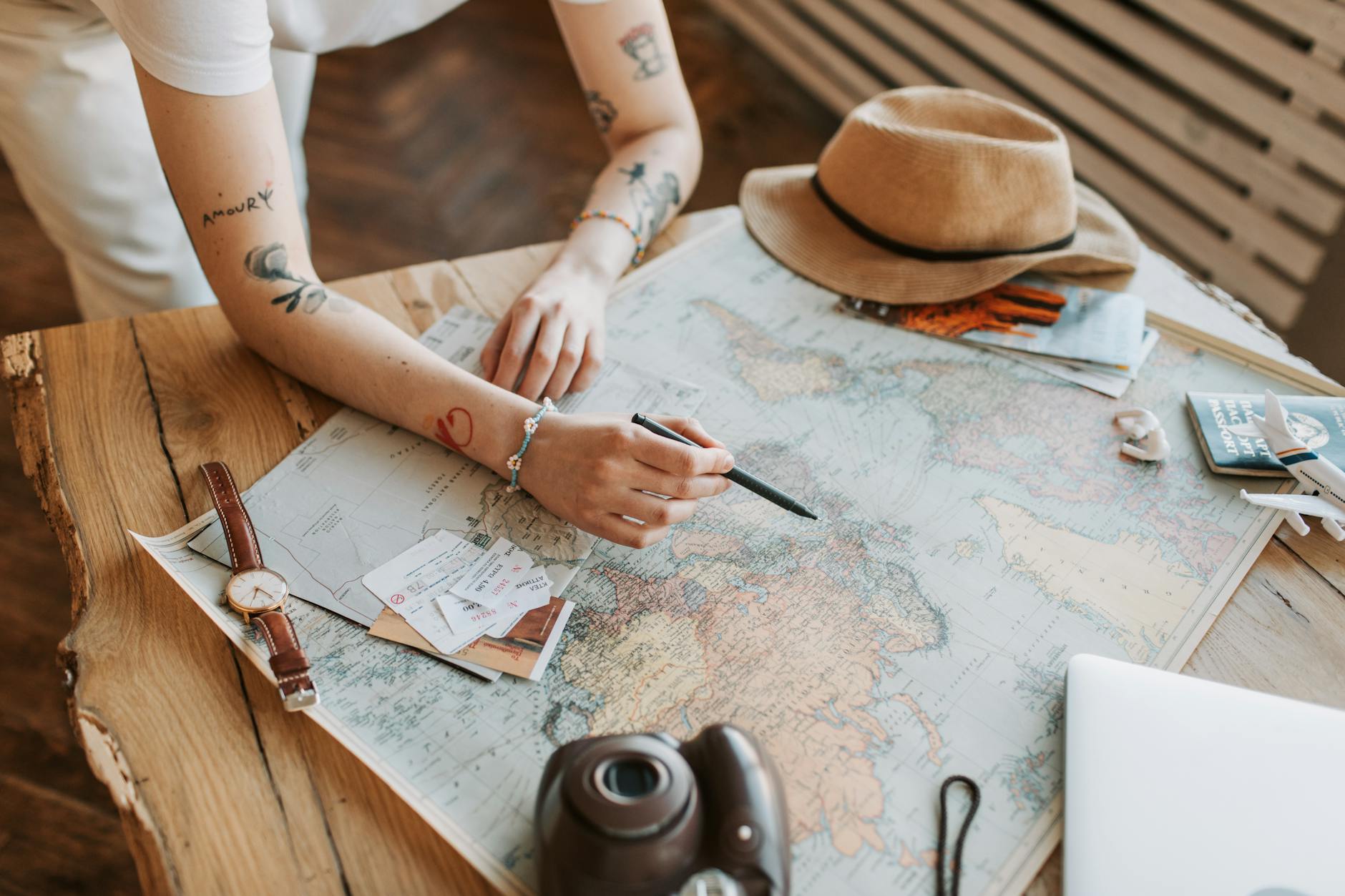
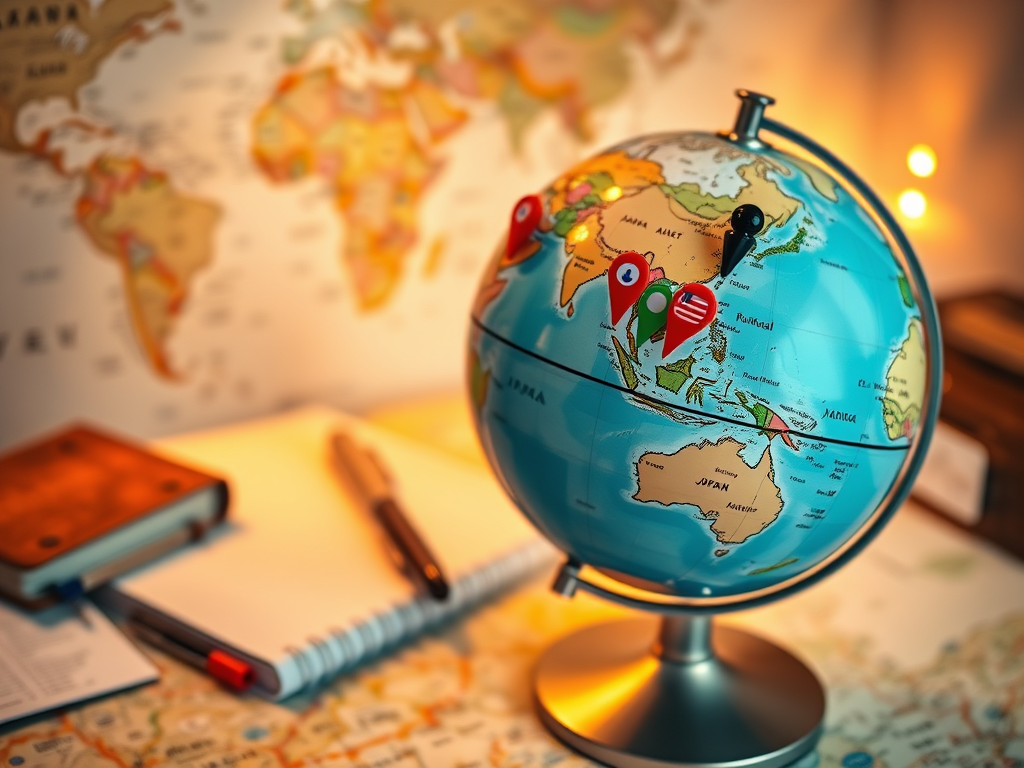
Photo by Vlada Karpovich on Pexels.com

FIT stands for fully independent travel. Unlike booking through a cruise line or a standard tour agency, FIT allows you to create a completely customized itinerary. There are many reasons why this model offers benefits, but there are also a few considerations to keep in mind when deciding if this style is right for you.

When booking with a tour agency, you must choose from the available dates that the tour has been scheduled. If there is a destination or activity you aren’t interested in, you’re still along for the ride. Tour companies set the price for the itineraries they have designed, so there is less room to make changes to costs when booking with a tour. With FIT trips, you can take steps to adjust your plans to your budget needs. FIT also gives you the freedom to select specific activities and excursions that align with your interests.

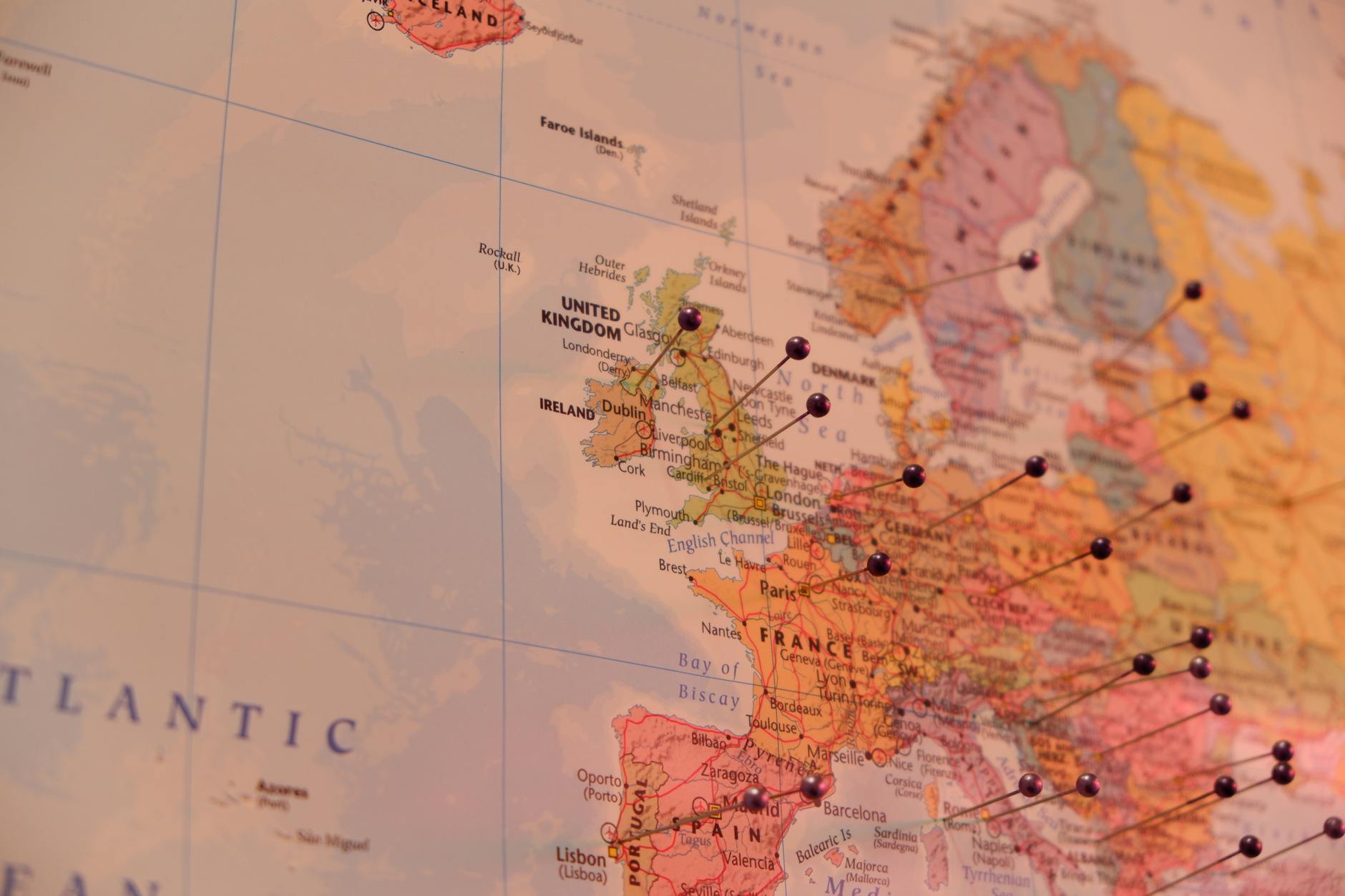
Photo by Abhishek Navlakha on Pexels.com

There are, however, a few drawbacks to consider. When planning travel for yourself, many travel elements must be paid upfront rather than the standard deposit and installment structure. Travel agents have access to tools and companies that create customized travel. This can give you the ability to make installed payments on your personalized trip.

Additionally, because of the level of independence required, this style of travel is often best suited for seasoned travelers or those who are comfortable navigating the local language of their destination.

FIT is my preferred model for travel for the convenience and control it gives me. If you are interested in exploring a custom itinerary for your next adventure, click here to get started. I would be happy to help you determine if a FIT trip is the right choice for your travel needs.

Support Local Communities During Your Travels

Given that many popular travel destinations are currently navigating the challenges of over-tourism, I wanted to share some key considerations for how travelers can minimize their impact and ensure a less disruptive visit.

Photo credit Kara Brown: Eiffel Tower as seen from the metro

Before your trip, I recommend researching the local laws, customs, and language of your destination. Being mindful of regional dress codes and common gestures will help ensure you avoid any unintentional offenses. Also, please take a moment to verify that any medications you plan to bring are legal in the country you are visiting.

During your visit keep the volume of your voice consistent with those around you and remain mindful of your behavior in public. Avoid public intoxication, littering, and damaging cultural landmarks. Be aware of your surroundings while taking photos. Remember that while you are on vacation, the people around you are often going about their daily lives.

Photo credit Kara Brown: Dinner at Cafe Palais Royal in Paris

To supporting local sustainability choose to eat at family-run restaurants and buy souvenirs from small, local shops rather than international chains. Choose to stay in hotels over private apartment rentals to help keep housing available for local residents. Don’t forget to follow local customs for gratuities. Consider spending time away from the most congested areas, or traveling during less popular times to help reduce the pressure of over-tourism.

When planning activities and sites to visit, keep ethical considerations in mind.
Avoid activities that exploit animals or locals, such as elephant rides or photographing areas affected by natural disasters. Make it your goal to focus on experiences that are respectful and sustainable for both the environment and the local population.

Photo credit Kara Brown: visiting Hampton Court Palace an hour and a half outside of London

As you look toward planning your future trips, it’s important to keep these considerations in mind. Focusing on sustainable and respectful engagement with local communities is vital for the health of the destinations we visit. Prioritizing these values often leads to much more authentic and enriching experiences for you as a traveler.

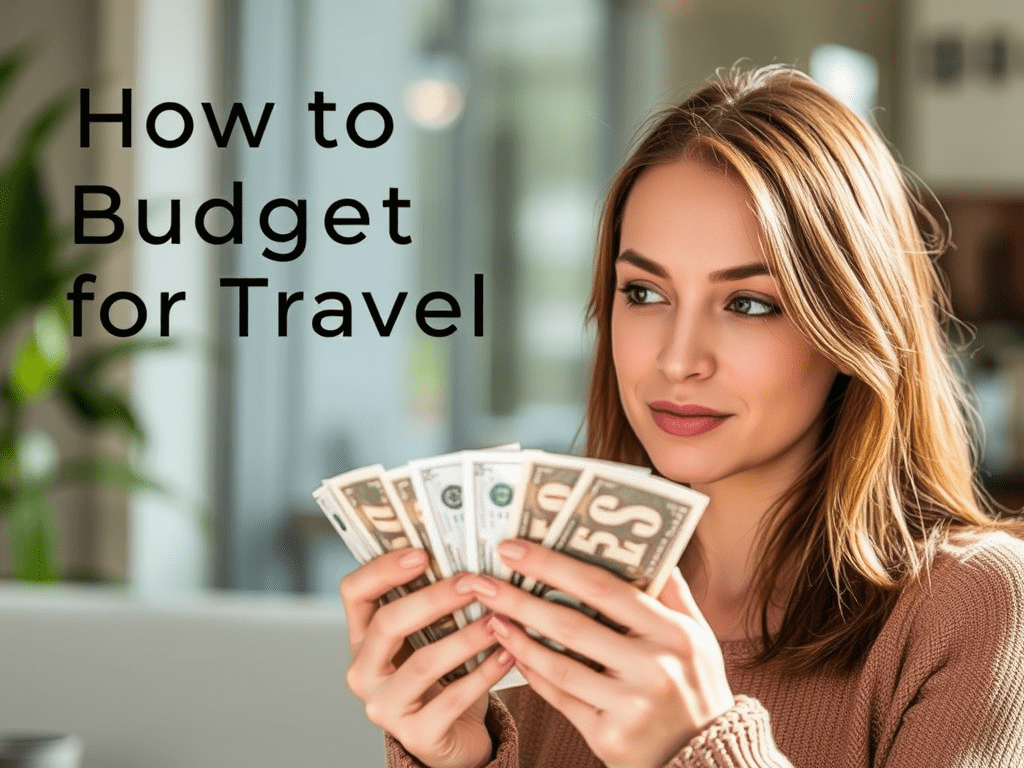
How to Create a Travel Budget: Essential Steps

Planning a trip can be overwhelming, but establishing a firm budget is the best way to ensure your travel dreams remain manageable. Before you get swept away by inspiration, it is essential to set your financial boundaries.

Photo by http://www.kaboompics.com on Pexels.com

  1. Define the Basics
    Start by listing your destination, dates, and duration. Consider all costs, including transportation, pet sitting, or home maintenance while you are away. Be as detailed as possible.
  2. Assess Your Resources
    Determine how much you can realistically save between now and your departure. Review your current savings and check if you have credit card points, miles, or rewards that can be applied to your bookings.
  3. Manage Payments
    Many providers allow for a deposit rather than a lump sum upfront. However, remember that full payment is typically required before the trip begins; missing a final payment could result in a cancellation.
  4. Use the 25% Rule
    I advise my clients to take their total budget and reduce it by 25%. Use the remaining 75% for essentials like accommodations, transport, and meals. The 25% “buffer” is then reserved for experiences, souvenirs, and unforeseen expenses. For cruises, I recommend a 35% buffer.
  5. Consider Non-Financial Costs
    Time and convenience are just as important as money. A cheaper red-eye flight might save you funds, but it may cost you in comfort and energy. Weigh these trade-offs carefully as you decide where these options fit within your budget.
  6. Avoid Debt
    The best budget is the one you can afford. I strongly advise against taking out loans, or racking up credit card debt to fund a vacation. It is much better to adjust your plans than to return home to debt.
  7. Be Flexible
    If your initial estimate exceeds your budget, look for areas to adjust. Consider traveling during shoulder season, shortening the trip, or postponing it to allow more time to save.
  8. Stay Organized
    Ensure everyone involved in the planning is on the same page. Write your budget down and track every expense as you book. This is vital for staying on course, especially when planning several months in advance.

Planning a budget doesn’t have to be stressful—it’s the key to enjoying your vacation and your return home.

Shoulder Season Travel

If you have been reading travel articles lately, you have likely come across the term “shoulder season.” But what exactly is it, and why is it so popular among travelers?

Photo by Pixabay on Pexels.com

The “peak” travel season typically occurs during the summer when schools are out. Shoulder season refers to the three months immediately preceding summer (March, April, and May) and the three months following it (September, October, and November). While the winter months see a small spike around the holidays, they are generally considered “off-peak.”

There are several reasons why many travelers, myself included, prefer the shoulder season:

– Fewer Crowds: Since school is in session, most destinations are significantly less crowded.

– Lower Costs: Reduced demand often leads to lower prices for flights and accommodations.

– Greater Availability: With fewer people traveling, you have more options and flexibility when booking activities and lodging.

– Easier Scheduling: It is often easier to secure time off work when you aren’t competing with colleagues for the same summer dates.

– Sustainability: Spreading tourism throughout the year helps local economies maintain a steady income year-round.

– Better Weather: You can often avoid the extreme summer heat, making outdoor activities and sightseeing much more comfortable.

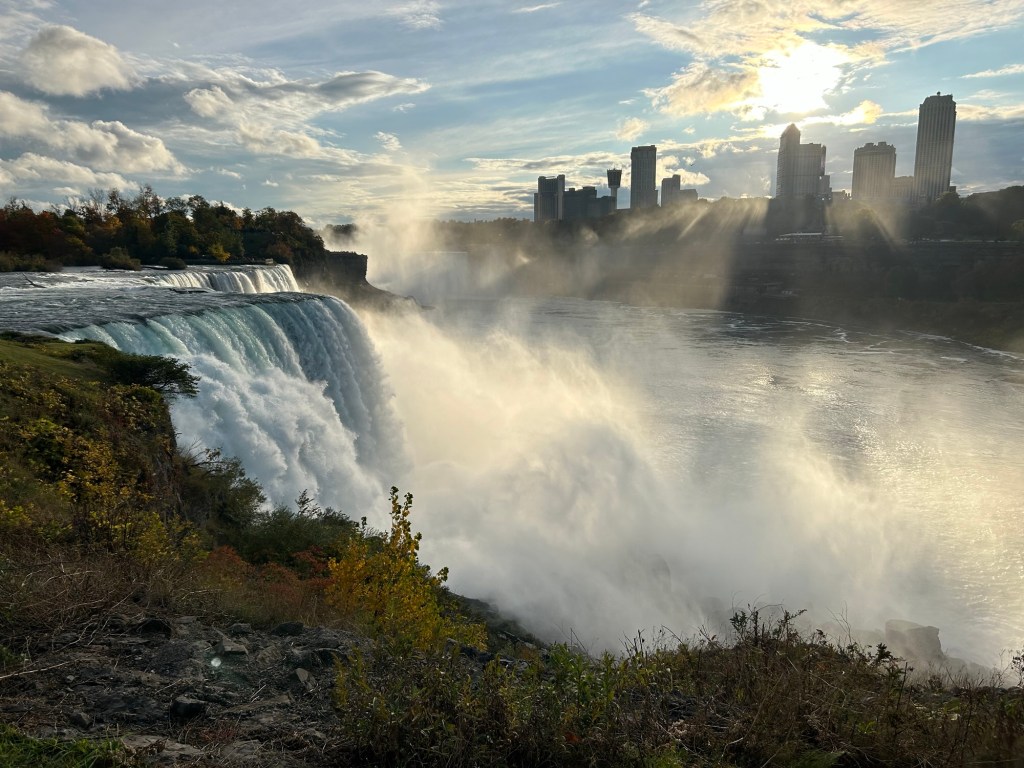
img_6091-1
Photo credit Kara Brown: Niagara Falls in October

Of course, there are a few downsides to consider. Some attractions have limited hours or seasonal closures outside of the summer months, and certain regions may face weather challenges like hurricane or rainy seasons. Additionally, traveling during this time can be difficult if you have school-aged children.

Ultimately, choosing when to travel depends on your specific needs. However, if you have the flexibility, traveling during the shoulder season can be a great way to save money and enhance your overall experience.

Ready to plan your next adventure? Click here to get started!

Is It Safe to Travel Now? Tips for Smart Travel Decisions

With so much going on in the world, it is natural to wonder if it is currently safe to travel. While the answer can seem complex, there are simple strategies to help you navigate your planning.

As of March 2026, the U.S. Department of State advises against travel to 21 countries on its Level 4 “Do Not Travel” list due to serious risks such as civil unrest or armed conflict. However, most other destinations are classified as Level 1 or Level 2, meaning travel is generally safe with standard precautions. Countries like Portugal, Japan, and Costa Rica remain among the safest options.

Photo by Ryan on Pexels.com

Before planning travel for myself or my clients, I always review the State Department’s specific travel advisories and enroll in the Smart Traveler Enrollment Program (STEP). This ensures the State Department can better assist in the unlikely event of an emergency. Additionally, I recommend reviewing local crime maps to ensure accommodations are in safe areas and staying mindful of pickpockets near major attractions.

Because accidents and emergencies can happen anywhere at any time, I strongly advise obtaining travel insurance. There are many different insurance companies that offer a wide array of plans, from basic emergency health coverage to “cancel for any reason” (CFAR) coverage. It is important to understand exactly what your chosen plan covers and how to contact the company should you need to file a claim.

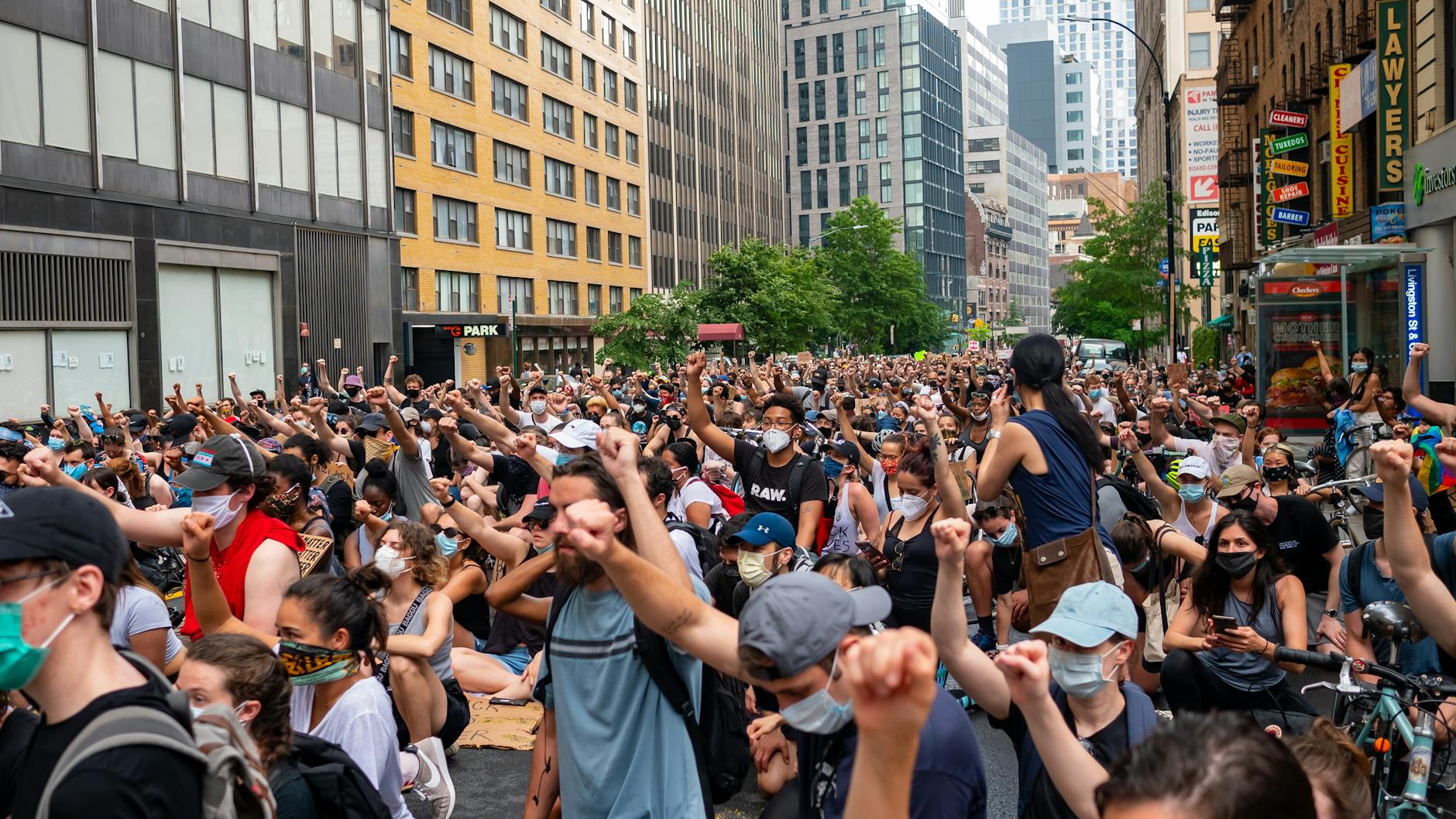
Photo by Joshua Santos on Pexels.com

Risky activities should also be avoided. Large gatherings and protests can be dangerous, especially if you are unfamiliar with the location and local language. Sharing political beliefs about and criticisms of your destination is a huge faux pas. Unless you are in a private setting having a discussion with someone you know well, it’s best to steer clear of potentially sensitive topics. Remember to always respect local customs and laws, which may be different or more strict than you are used to back home.

Ultimately, travel remains safe with proper preparation. It simply boils down to these steps:

  1. Avoid dangerous destinations
  2. Plan accordingly
  3. Act appropriately

Welcome!

My name is Kara, and I love helping others realize their dreams of traveling. Planning travel is often daunting, but it doesn’t have to be. Whether your travel goals are already set and just need to work out the details, or you don’t know where to start in choosing where to go, I am here to help!

An important note going forward; the internet is awash with highly altered and color saturated photos that give an aspirational view of travel. Unless otherwise credited, any photo or video posted to this blog was taken by me personally. It is my promise to you that I will never alter an image to give a false impression of its contents.

Get in touch

Don’t hesitate to reach out with the contact information below, or send a message using the form.

← Back

Thank you for your response. ✨

Kara Brown – kara@setcotravel.com

@setcotravel