
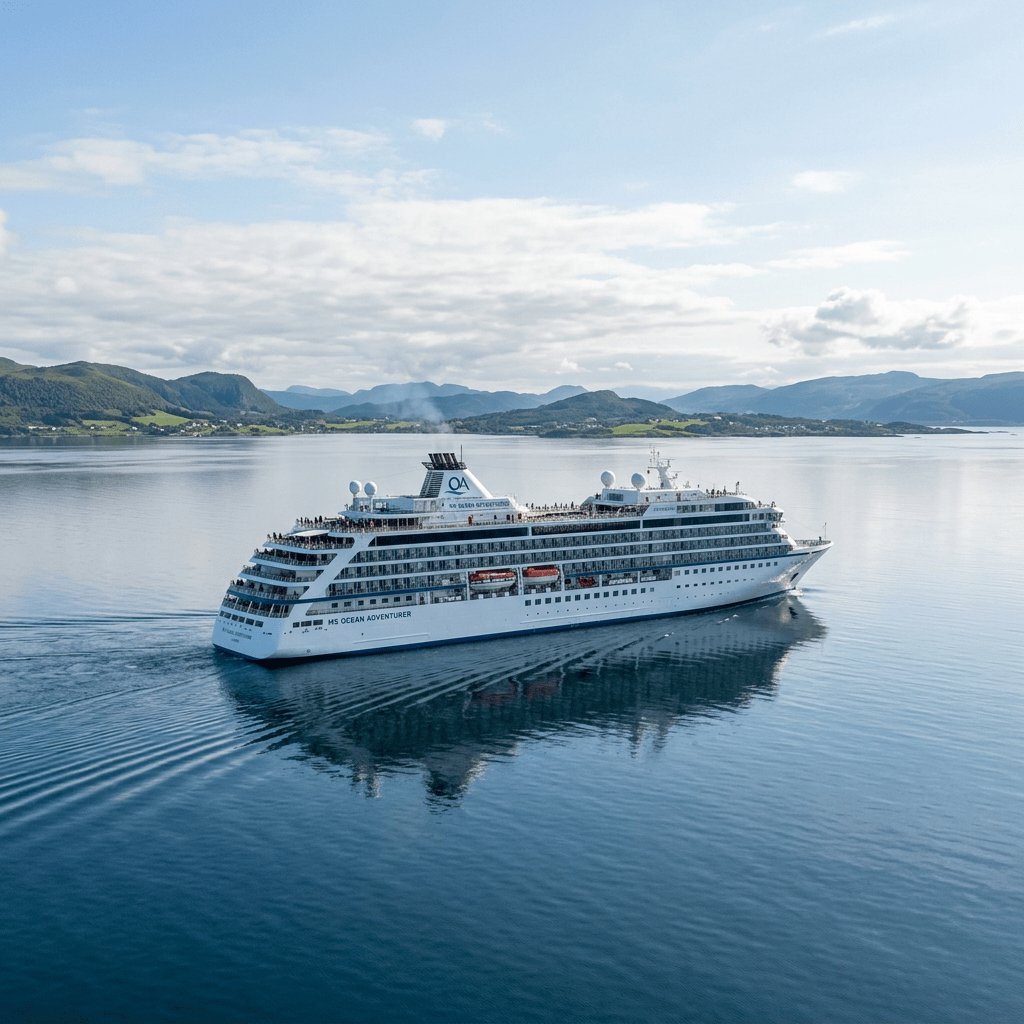
With endless options available, selecting a cruise can often feel overwhelming. To help you cut through the social media hype and marketing, I’ve broken down a few key steps to help you find the perfect fit.
The first place to start is by determining the budget you’re comfortable with. Selecting a cruise you can’t afford won’t get you any closer to your travel dreams. If you’re unsure of how to set a budget, check out this article for my top tips. Don’t forget to factor in any additional costs above the base fare for the cruise you select. Drinks packages, activities, excursions, flights, and pre-cruise hotel stays are all additional expenses that can add up quickly.
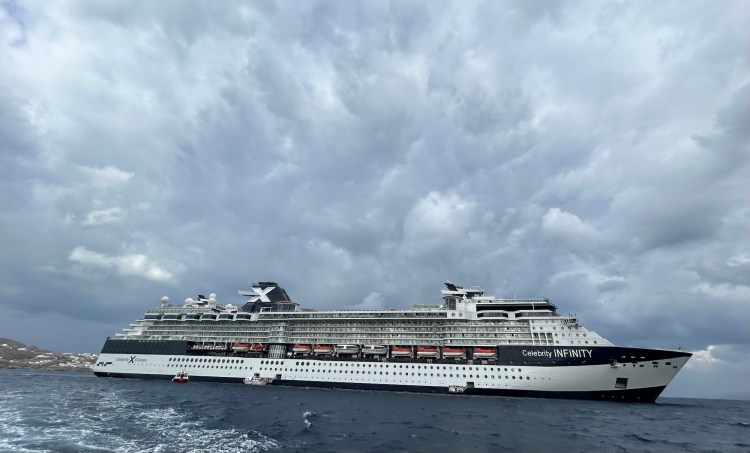
In my experience, cruisers generally fall into two categories:
– Destination Cruisers: These travelers view the ship as a floating hotel—a convenient way to travel while they sleep. The primary goal is to spend as much time as possible exploring the ports of call.
– Ship Cruisers: These travelers focus primarily on the ship itself and its specific amenities. While they may still explore the ports, the onboard experience is the main priority.
You might find that your preference changes depending on the specific trip. If you aren’t sure which category fits your next vacation, consider these questions to narrow down your options:
- Who is traveling?
- By river or by sea?
- What atmosphere are you looking for?
- What amenities are you interested in?
- How long would you like the cruise to be?
- What ports do you want to visit?
- Are there any specific shore excursions, or activities you’d like to experience?
- How many “sea days” would you like to have?

Here is how these factors work together to help you reach your goal:
Who is traveling?
If you’re traveling with children, note that some lines (such as Viking and Virgin) are adults-only. Solo travelers are often charged a “single supplement” fee; look for itineraries with designated solo cabins to save on costs.
River vs Sea
If you do not have specific port destinations in mind, you might consider the differences between river and ocean cruises. River cruises generally carry fewer than 200 passengers on smaller vessels. This creates an intimate atmosphere with minimal crowds and no “sea days,” as sailing typically occurs at night. These itineraries prioritize maximizing time in port. In contrast, ocean cruises accommodate thousands of guests on large floating resorts. These offer extensive amenities such as large pools, theaters, spas, and multiple dining venues, along with leisurely days at sea.
Atmosphere
Each cruise line has a unique tone. Sophisticated lines may not be ideal for families, while a party-centric vibe might not suit a romantic getaway. It is important to select a line that matches your specific goals.
Amenities
Even ships within the same cruise line offer different amenities. If the ship itself is your priority, start by searching for individual ships that match your needs and then choose from their available itineraries.
Duration
Itineraries range from weekend getaways to several months. A common recommendation for first-time cruisers is to select a trip of eight days or less. For experienced cruisers, the only limits are your schedule and preference.
Ports and Destinations
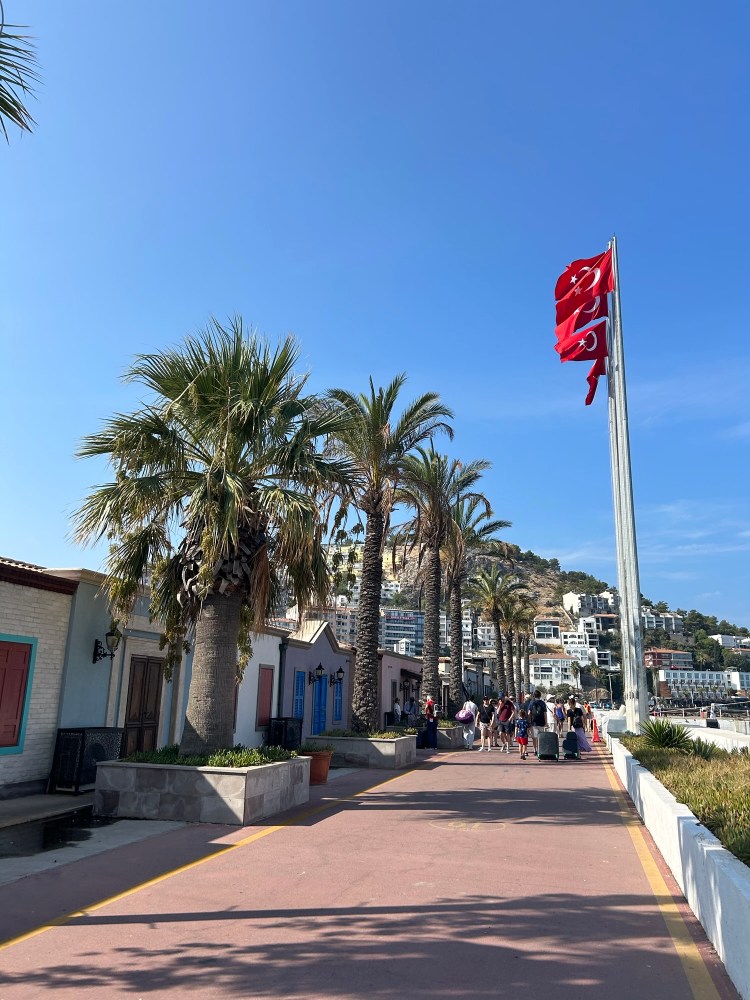
River cruises often travel between different port cities, while ocean cruises can be round-trip or one-way. If specific destinations or shore excursions are high on your priority list, use those to narrow your search first.
Sea Days
Unlike river cruises, which typically travel at night and stay in port during the day, ocean cruises often require full days at sea to reach the next destination. Because all passengers remain on board, these days can be the busiest. However, they offer a great opportunity to unwind and rest between port visits. Many cruise lines also host formal nights in their main dining rooms during sea day evenings.
Repositioning Cruises
For those interested in longer itineraries, unique ports of call, and multiple days at sea, a repositioning cruise is an excellent option. These sailings occur when a ship moves from one region of the world to another—for example, transitioning from the Caribbean to the Mediterranean. This type of cruise offers travelers the opportunity to explore diverse cultures, cuisines, and landscapes, all while enjoying the comforts and amenities of a cruise ship. With fewer ports to visit compared to traditional cruises, passengers can relish extended time onboard, participating in onboard activities, culinary classes, and entertainment options that enhance the overall cruising experience. Repositioning cruises are not just about the destinations; they also provide ample time for relaxation and reflection as the ship sails through open waters, making them a favorite among seasoned travelers seeking a unique adventure on the high seas.
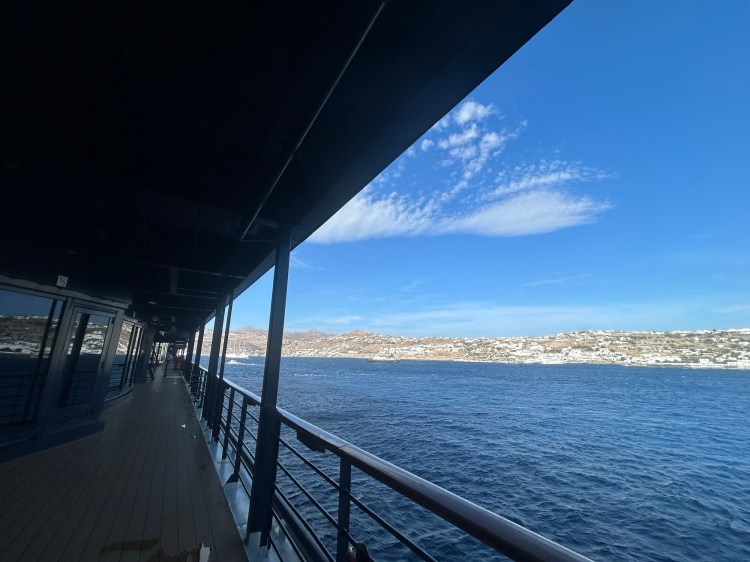
Once you have answered these questions, you can determine whether the ship itself or the destination of the cruise port(s) is your higher priority and find an itinerary that supports your travel goals. Many different cruise lines offer similar itineraries. Once you’ve decided which itineraries appeal to you, it’s time to select which cruise line will best suit your goals for your next dream vacation!
Choosing a cruise itinerary doesn’t have to be stressful. I am happy to help you navigate these choices to find the perfect experience for you! Click here to get started!


2 thoughts on “Choosing the Right Cruise Itinerary: A Complete Guide”